Local SEO for Doctors and Clinics: What Actually Matters
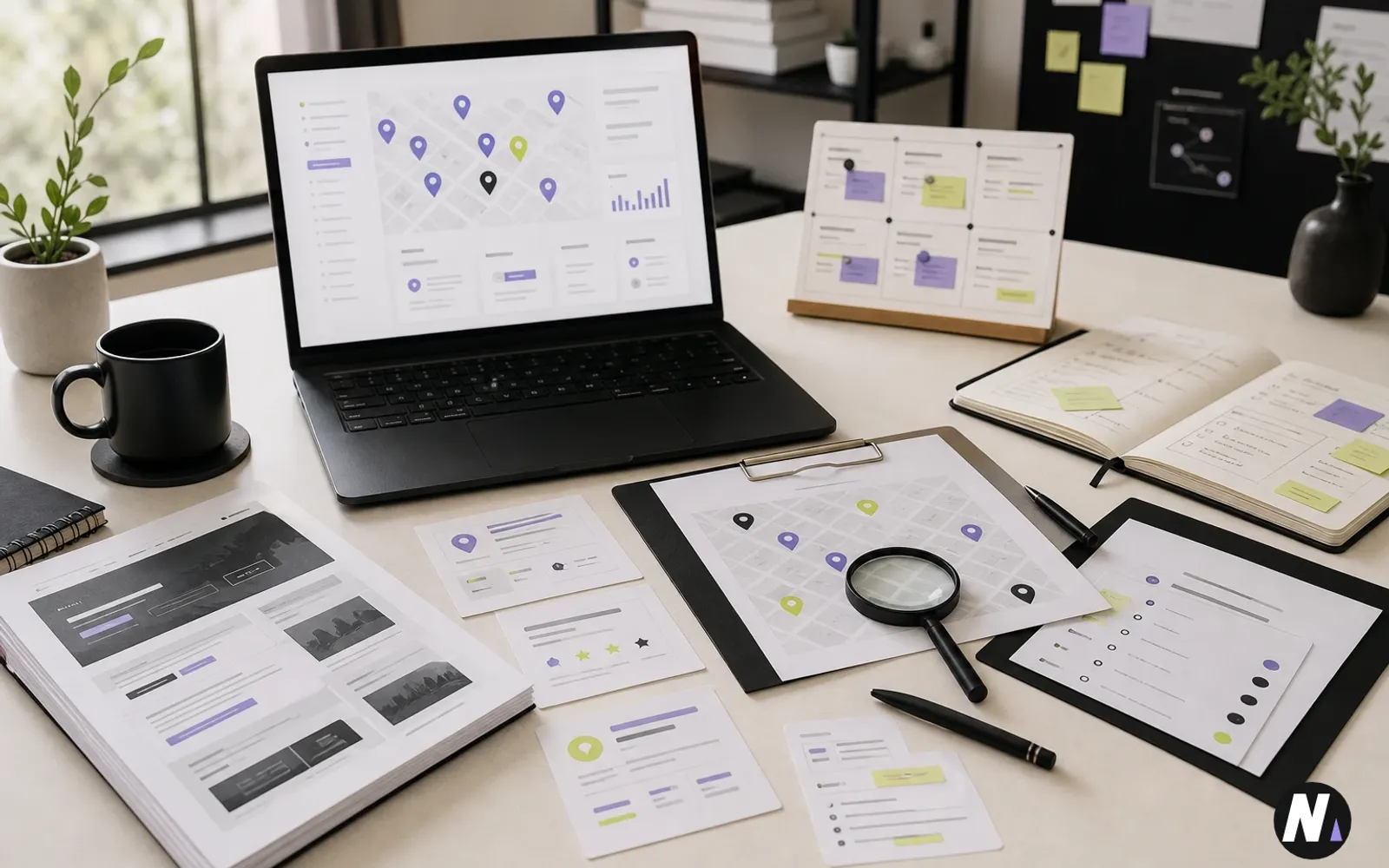
Naman Modi explains what actually matters in local SEO for doctors and clinics, from Google Business Profile and service pages to reviews, tracking, follow-up, and responsible healthcare communication.
Quick Summary
A healthcare-focused local SEO guide for improving clinic visibility, service pages, reviews, calls, forms, tracking, follow-up, and responsible communication.
Local SEO for doctors and clinics is not only about ranking higher on Google. It is about helping the right local patient or caregiver find the right service, understand the next step, and contact the clinic with confidence.
That sounds simple, but healthcare local SEO can get messy quickly.
There is the Google Business Profile. There are service pages, location pages, reviews, photos, phone calls, forms, maps, directories, tracking, reporting, and reputation signals. There is also a bigger responsibility: healthcare content must be clear without drifting into careless medical advice, diagnosis, treatment claims, or guaranteed outcomes.
So when a clinic asks what actually matters in local SEO, I do not start with tricks. I start with trust, clarity, visibility, and inquiry handling.
For doctors, clinics, med spas, dental offices, therapy practices, and healthcare brands, local SEO should support a practical business system: people find the clinic, understand the service, see enough trust signals, call or submit an inquiry, and the team can follow up responsibly.
Quick Answer
For doctors and clinics, the most important local SEO work usually falls into seven areas:
- Google Business Profile accuracy and completeness.
- Clear service pages for the treatments, specialties, or services the clinic actually provides.
- Location signals that match the real areas served.
- Review and reputation systems that are ethical and consistent.
- Website conversion paths for calls, forms, booking requests, and inquiry routing.
- Tracking for calls, forms, source, service interest, and follow-up.
- Responsible healthcare communication with human review where needed.
The goal is not only to appear in local search. The goal is to turn local visibility into organized, responsible patient inquiries.
Founder Note
Through Curex Marketing, I look at healthcare growth differently from generic local SEO.
A clinic website and local presence should help people understand services and contact the right team, but it should not overpromise, make careless medical claims, or replace professional judgment. That boundary matters.
As the founder of eBuilderz Infotech and Curex Marketing, I see the strongest results when healthcare SEO is connected with the full digital system: website structure, service pages, local visibility, call tracking, form routing, CRM follow-up, reporting, and human review.
That is why I do not treat local SEO as a checklist by itself. For doctors and clinics, it should be part of a healthcare growth system that supports visibility, trust, inquiry handling, and responsible communication.
The Local SEO Decision Guide
Before spending money on more content or ads, use this decision guide to find the weak point.
If the clinic does not appear in map results: start with Google Business Profile categories, services, location accuracy, photos, reviews, and local citations.
If the clinic appears but does not get enough calls: inspect the first-screen message, phone visibility, booking path, trust signals, reviews, and mobile experience.
If people call about the wrong service: review service-page clarity, profile services, page titles, internal links, and the wording used across listings.
If the clinic gets leads but follow-up is inconsistent: fix form routing, call tracking, CRM ownership, reminders, and missed-call handling.
If reports only show traffic: connect local SEO reporting to calls, forms, service interest, source, and appointment-related next steps.
If content feels risky or vague: add healthcare-safe review, remove unsupported claims, and make sure pages explain services without giving medical advice.
This is why local SEO work should not sit away from website development, tracking, and automation. The visibility layer and the follow-up layer have to work together.
Start With Google Business Profile
For many clinics, Google Business Profile is one of the most important local SEO assets.
It helps the clinic appear in map results, local packs, branded searches, direction requests, phone calls, and nearby service searches. If the profile is incomplete or inconsistent, the clinic can lose visibility even before someone reaches the website.
The first pass should check:
- Clinic name, address, phone number, website, and hours.
- Primary and secondary categories.
- Services listed in the profile.
- Appointment or website links.
- Photos that feel current and professional.
- Review quality and response consistency.
- Questions and answers, where relevant.
- Duplicate listings or incorrect old locations.
Do not treat the profile as a one-time setup. It should be maintained like a local storefront. When hours change, services change, locations change, or photos become outdated, the profile should be updated.
Service Pages Matter More Than Generic Healthcare Content
Many healthcare websites have a broad services page that lists everything in one place. That may be enough for basic navigation, but it is usually weak for local SEO.
If people search for specific services, the website needs specific pages that answer the intent behind those searches. A dermatology clinic, dental office, med spa, physical therapy practice, or specialty clinic may need pages for major services, conditions, treatment categories, or location-specific offerings.
A strong clinic service page should explain:
- What the service is.
- Who may commonly look for it.
- What the appointment or inquiry process usually looks like.
- What information the patient should bring or ask about.
- What the clinic can responsibly say without making unsupported claims.
- How to contact the clinic or request the next step.
This is where healthcare growth systems and website development services connect. The page has to be useful for search, trustworthy for visitors, and practical for the clinic team.
Local Visibility Needs Real Location Signals
Local SEO depends on location signals, but those signals should reflect reality.
A clinic should not create fake location pages, doorway pages, or thin city pages just to chase rankings. That can create a poor user experience and a weak brand impression.
Better local signals include:
- A clear contact page with accurate clinic details.
- Location pages for real clinic locations.
- Service pages that naturally reference the market served.
- Consistent contact information across major listings.
- Embedded directions or map context where useful.
- Locally relevant proof, portfolio-style examples, or service context where appropriate.
- Internal links between service pages and location pages.
If the clinic serves multiple nearby areas, the website can explain that clearly. But it should not pretend to have offices or clinical availability where it does not.
Reviews And Reputation Are Part Of The System
Reviews matter because local healthcare decisions are trust-heavy.
But review strategy should be handled carefully. Clinics should avoid pressure, fake reviews, misleading incentives, or any process that creates compliance or platform-policy risk.
A responsible review system usually includes:
- Asking at the right time after a legitimate patient interaction.
- Making the review process simple.
- Training the team on what they can and cannot say.
- Responding professionally without exposing private details.
- Monitoring patterns in feedback.
- Using review insights to improve the patient experience.
The best review strategy is not only about stars. It is about trust, consistency, and learning from what patients are already saying.
Calls, Forms, And Booking Paths Need Tracking
Local SEO is incomplete if the clinic cannot tell which visibility efforts create real inquiries.
A person may find the clinic through Google Maps, a service page, a blog article, a location page, or a branded search. They may call, submit a form, click a booking link, send a chat message, or use WhatsApp. If those actions are not tracked, reporting becomes guesswork.
At minimum, the clinic should know:
- Which pages generate calls or forms.
- Which services people ask about most.
- Which local searches or channels create inquiries.
- Which inquiries become appointments or follow-up tasks.
- Which calls were missed.
- Which forms did not include enough information.
- Which team member owns the next step.
This is where automation services can support healthcare growth. The goal is not to remove humans. The goal is to make inquiry handling cleaner, faster, and easier to audit.
A Practical Local SEO Workflow For Clinics
If I were improving local SEO for a clinic, I would not start with a huge content calendar.
I would usually follow this sequence:
1. Audit Google Business Profile, categories, services, hours, photos, reviews, and duplicate listings.
2. Review the website's core service pages and identify missing high-intent pages.
3. Check mobile experience for calls, forms, booking links, directions, and trust signals.
4. Review location signals, contact details, map visibility, and listing consistency.
5. Connect calls and forms to tracking, CRM, or follow-up workflows.
6. Improve review request and response processes responsibly.
7. Build supporting content only after the service and local foundation is strong.
8. Report on inquiries, not only rankings or traffic.
That order keeps the work close to business results. It also avoids the common mistake of publishing articles while the clinic's service pages, local profile, and inquiry handling are still weak.
Healthcare Content Needs Boundaries
Healthcare local SEO should be written with care.
A clinic website can explain services, appointment processes, general education, credentials, locations, and next steps. But it should avoid presenting content as personal medical advice, diagnosis, treatment direction, or guaranteed outcomes.
This matters for trust and responsibility. It also matters because unclear or exaggerated healthcare content can hurt the brand.
Useful boundaries include:
- Do not promise outcomes.
- Do not make unsupported superiority claims.
- Do not use generic content that could apply to any clinic.
- Do not automate sensitive replies without human review.
- Do not publish health information without proper review.
- Do not let SEO copy become more aggressive than the clinic's real standard of care.
The content should help people understand the clinic and decide whether to contact the team. It should not try to replace a professional consultation.
What To Fix First
If a clinic has weak local visibility, fix the Google Business Profile and local listing foundation first.
If the clinic has visibility but weak inquiries, fix the website conversion path: service pages, phone placement, forms, mobile layout, trust signals, and booking steps.
If inquiries come in but get missed, fix call tracking, form routing, CRM records, owner assignment, and follow-up reminders.
If reporting is unclear, connect the local SEO work to real inquiry data.
If the content is generic or risky, rebuild the service pages with healthcare-safe language and a review process.
The right first move depends on where the system is breaking. Local SEO is not only a ranking problem. It is a visibility, trust, website, tracking, and follow-up problem.
Frequently Asked Questions
What matters most for local SEO for doctors and clinics?
The most important foundations are Google Business Profile, clear service pages, accurate location signals, reviews, mobile usability, call/form tracking, and responsible healthcare communication.
Do clinics need separate service pages for SEO?
Usually yes. Separate service pages help search engines and visitors understand what the clinic offers. They also make it easier to connect specific inquiries to specific services.
Should healthcare local SEO focus only on Google Business Profile?
No. Google Business Profile is important, but the website, service pages, reviews, tracking, forms, calls, and follow-up process all affect whether local visibility becomes useful.
Can automation help with clinic lead follow-up?
Yes, but it should support the team rather than replace professional judgment. Automation can help route forms, create follow-up tasks, capture source data, and flag missed inquiries while humans handle sensitive communication.
What should healthcare websites avoid in SEO content?
Healthcare websites should avoid personal medical advice, diagnosis, treatment promises, guaranteed outcomes, unsupported claims, fake location pages, and automated sensitive replies without human review.
Final Takeaway
Local SEO for doctors and clinics works best when it is treated as a healthcare growth system, not a ranking checklist.
The clinic needs accurate local visibility, clear service pages, trustworthy reviews, a strong mobile experience, clean inquiry tracking, responsible communication, and follow-up workflows that help the team respond properly.
If your clinic is getting found but not getting the right inquiries, or getting inquiries but losing them in follow-up, the local SEO problem may be bigger than rankings.
Explore Healthcare Growth Systems or book a free consultation to discuss what your clinic should fix first.

Related Insights
Continue exploring practical ideas on AI automation, websites, SEO, and smarter business systems.


Naman Modi explains why the first workflow automation most agencies should build is a client onboarding and handoff system that turns scattered intake, access, kickoff, tasks, and reporting steps into one reliable process.

Naman Modi explains how service businesses can use CRM automation for lead capture, source tracking, owner assignment, follow-up tasks, pipeline stages, reporting, and human review.

Naman Modi explains what service businesses should fix first in SEO, from service pages and local visibility to technical basics, conversion paths, tracking, and reporting.


 Let's discuss your next smarter system.