How I Think About Websites, SEO, Automation, and Business Systems
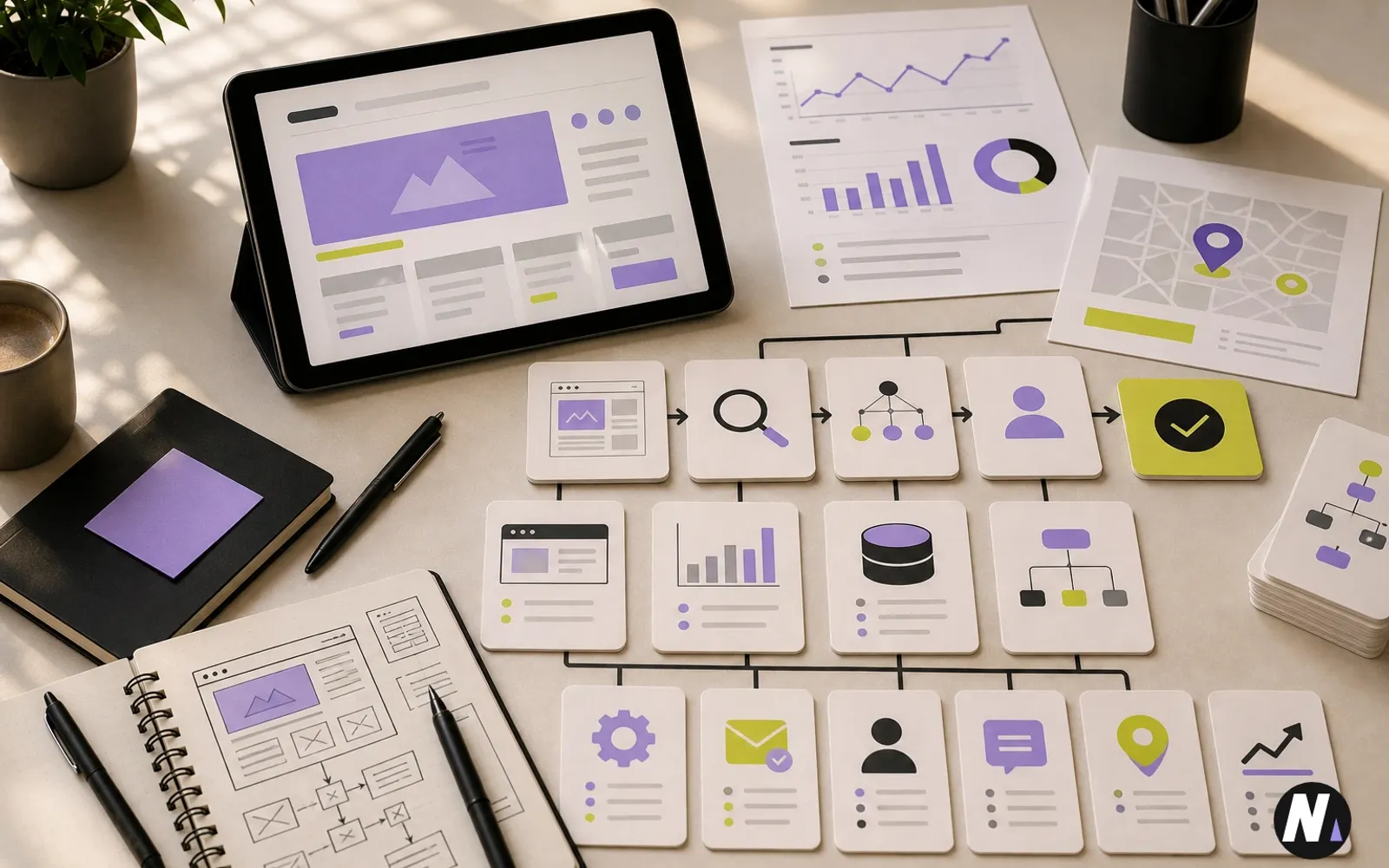
Naman Modi explains how websites, SEO, CRM, ERP, automation, healthcare growth, and business systems should work together to help service businesses grow with clearer execution.
Quick Summary
A founder-led service strategy explaining how websites, SEO, CRM, ERP, automation, healthcare growth, and reporting should work together as business systems.
Most business owners do not need more disconnected digital activity. They need a clearer system for how their website, SEO, marketing, CRM, follow-up, reporting, and operations work together.
That is how I think about digital growth now.
A website should not only look good. It should explain the business clearly, build trust, capture the right inquiries, connect to the right tools, and help the team follow up without losing context. SEO should not only bring traffic. It should bring the right visitors to service pages that can convert. Automation should not replace people. It should remove repeated manual work so people can focus on strategy, communication, and decisions.
This is the direction I want NamanModi.com to represent: practical service delivery around websites, SEO, automation, CRM, ERP, healthcare growth systems, and business operations.
AI can support that work, but it is not the whole story. The real value is not another tool. The real value is building systems that make a business easier to run.
Quick Answer
The way I think about websites, SEO, automation, CRM, ERP, and business systems is simple: they should not be treated as separate projects forever. They should connect around the same goal, which is helping a business get found, get trusted, capture better inquiries, follow up properly, and manage work with less friction.
For NamanModi.com, that means the content should support real services:
- Website design and development.
- WordPress and Shopify builds.
- SEO and digital marketing.
- CRM and ERP automation.
- Workflow automation.
- Healthcare growth systems.
- Reporting and business operations.
AI can help inside those systems, but it should not distract from the main service promise: clearer digital systems that help businesses grow and operate better.
Digital System Map
Use this map to understand how the pieces should work together instead of being planned in isolation.
| Business layer | What it should do | What usually breaks |
|---|---|---|
| Website | Explain services, build trust, and capture inquiries | Pages look fine but do not convert or collect enough context |
| SEO and marketing | Bring the right visitors to the right service pages | Traffic grows but does not connect to leads or revenue conversations |
| Forms and lead channels | Start a clean handoff from visitor to team | Leads go to inboxes, chats, or spreadsheets with missing context |
| CRM | Organize contacts, owners, stages, and follow-up | Records are incomplete, duplicated, or not updated consistently |
| ERP and operations | Help the team manage deeper delivery and internal processes | Tools exist, but the workflow is unclear or too manual |
| Automation | Reduce repeated admin and improve handoffs | Automations run without enough human review or process clarity |
| Reporting | Show what is working and what needs attention | Reports show activity but not decisions or next actions |
The goal is not to make every business use the same stack. The goal is to make sure the website, marketing, CRM, operations, automation, and reporting are all supporting the same business direction.
Founder Note
I am the founder of eBuilderz Infotech and Curex Marketing. Through eBuilderz Infotech, my team works across websites, development, SEO, digital marketing, automation, and business systems. Through Curex Marketing, I focus that same systems thinking on healthcare growth, clinic visibility, lead handling, and responsible communication.
That experience has shaped how I look at digital work.
A website project is rarely just a website project. It affects lead quality, search visibility, conversion tracking, content, forms, CRM, reporting, and follow-up. An SEO project is rarely only about rankings. It affects service positioning, local visibility, landing pages, calls, forms, and business decisions. An automation project is rarely only about connecting tools. It affects how the team works every day.
That is why I do not want this blog to become a place that only talks about AI tools. AI is useful, but clients usually need something more practical: a better website, better visibility, cleaner workflows, stronger follow-up, better reporting, and systems that their team can actually use.
The Problem With Disconnected Digital Work
Many businesses do digital work in pieces.
One person handles the website. Another handles SEO. Another runs ads. Someone else checks the CRM. A team member follows up with leads. Reporting happens in a spreadsheet. Website forms go to email. Client notes live in chats. Marketing data is hard to connect back to real inquiries.
Each piece may look fine by itself, but the business still feels messy because the pieces do not work together.
A service business can have a redesigned website and still lose leads if forms are not routed properly. A clinic can have local SEO traffic and still miss opportunities if calls, forms, and WhatsApp inquiries are not tracked. An agency can win a new client and still start slowly if onboarding, access collection, kickoff notes, and task handoffs are scattered.
That is the gap I care about: the space between digital activity and a working business system.
What A Better Business System Looks Like
A better business system does not need to be complicated. It needs to be connected.
For most businesses, the core pieces are simple:
- A website that explains services clearly.
- Service pages that match what buyers are searching for.
- Forms, calls, and lead channels that are easy to track.
- CRM or internal records that organize inquiries.
- Follow-up workflows that reduce missed opportunities.
- Reporting that shows what is working.
- Human review where judgment matters.
When those pieces work together, digital marketing becomes easier to manage. The team can see where leads came from, what they asked for, who owns the next step, and which service pages or campaigns are creating real conversations.
That is much more useful than having isolated tools that look impressive but do not improve daily execution.
Websites Should Be Built For More Than Design
Design matters. A weak website can damage trust before a visitor ever submits a form. But design is only one part of a good business website.
A strong website should answer the visitor's questions quickly:
- What do you do?
- Who do you help?
- Why should I trust you?
- What service should I choose?
- What happens after I contact you?
- Is this business active, credible, and easy to work with?
For service businesses, agencies, clinics, and growing companies, the website should also support the internal team. Forms should capture useful details. Calls and inquiries should be trackable. Important pages should connect to SEO and marketing campaigns. Analytics should show more than pageviews.
This is why I think about website development services as business infrastructure, not only visual design.
A good website should support sales, marketing, operations, reporting, and automation. If it does not, the business often ends up paying for manual work later.
SEO Should Connect Visibility To Services
SEO is not only about publishing more content. It is about helping the right people find the right service at the right moment.
For a service business, the most important SEO work often starts with fundamentals:
- Clear service pages.
- Strong local or industry positioning.
- Useful headings and answers.
- Internal links that guide visitors to the next step.
- Conversion paths for calls, forms, and consultation requests.
- Reporting that connects visibility to real inquiries.
A blog can support SEO, but only when it connects back to business intent. A blog post about website redesign should help someone understand whether they need web development support. A blog post about CRM automation should help someone understand where their follow-up process is breaking. A healthcare marketing article should help a clinic understand visibility, lead handling, and responsible communication.
That is how I want to approach SEO and digital growth services: visibility with a business reason behind it.
Traffic without service intent is not enough. Rankings without conversion tracking are not enough. Reports without decisions are not enough.
Automation Should Support People, Not Replace Them
Automation is most useful when it removes repeated work that slows the team down.
That might include routing website inquiries, creating follow-up tasks, organizing CRM records, preparing reporting notes, checking missing fields, or turning intake information into a clearer handoff.
The mistake is thinking automation should immediately take over important decisions. It should not.
A useful automation system should prepare work, organize information, catch gaps, and make handoffs easier. People should still own strategy, approval, client communication, pricing, scope, healthcare-sensitive language, and final decisions.
This is especially important when automation touches customer relationships, money, public content, healthcare communication, security, or operational authority.
The right question is not, "Can this be automated?" The better question is, "Which part of this repeated workflow can be made more reliable while keeping human review where it belongs?"
That is the kind of work I connect to automation services.
CRM And ERP Work Need Clear Processes First
Many businesses want CRM or ERP automation because their current process feels messy. But software cannot fix a workflow that nobody has clearly defined.
Before choosing tools, a business should understand:
- What starts the workflow?
- What information must be captured?
- Who owns each step?
- What stages should exist?
- What should be automated?
- What should require human approval?
- What needs to be reported every week or month?
CRM systems help manage relationships, leads, stages, owners, and follow-up. ERP systems help organize deeper operational areas like inventory, finance, resources, delivery, or internal processes. Automation can connect pieces of both, but it needs rules.
Without process clarity, teams end up with expensive tools and the same confusion.
With process clarity, the right CRM, ERP, reporting, and automation setup can make work easier to see and easier to manage.
Healthcare Growth Needs Extra Care
Healthcare growth systems need a more careful approach than generic marketing.
A clinic or healthcare brand may need a better website, local SEO, service pages, lead tracking, call/form/WhatsApp reporting, follow-up workflows, and clearer inquiry handling. But the communication must stay responsible. The system should not make medical claims, make clinical decisions, promise care outcomes, or replace professional judgment.
Through Curex Marketing, I think about healthcare growth as a combination of visibility, trust, tracking, and responsible communication.
A clinic does not only need more leads. It needs to understand where inquiries come from, what people are asking about, how quickly the team responds, what follow-up is appropriate, and where human review is required.
That is where healthcare marketing, CRM workflows, and local visibility can work together without losing accountability.
Where AI Fits Into This
AI can be useful inside these systems, but it should not become the headline for every problem.
AI can help summarize information, draft first versions, classify inquiries, identify missing fields, prepare reporting notes, create content outlines, and support review workflows. But the business still needs strategy, implementation, judgment, and ownership.
That is why I see AI as an enabler, not a replacement for service delivery.
The value is not in saying a process uses AI. The value is in whether the process is faster, clearer, easier to review, and better connected to the business outcome.
If AI helps a website lead move into the CRM with cleaner context, useful. If it helps summarize a reporting trend for human review, useful. If it helps prepare a draft that a strategist improves, useful.
If it creates noise, tool dependency, or unreviewed public claims, it is not useful.
How I Choose What To Fix First
When I look at a business system, I usually start with the friction closest to revenue and client experience.
For many businesses, that means one of these areas:
| If the main problem is... | I would usually inspect first | Likely service direction |
|---|---|---|
| Visitors do not understand the offer | Homepage, service pages, CTAs, proof, and mobile flow | Website redesign or service-page rebuild |
| People cannot find the business | Search intent, service pages, local visibility, and content structure | SEO and digital growth strategy |
| Leads arrive but get missed | Forms, CRM records, source tracking, owner assignment, and reminders | CRM automation and lead workflow setup |
| Internal work is scattered | Intake, approvals, reporting, handoffs, and repeated admin | Workflow automation or ERP/process cleanup |
| Clinic inquiries need better handling | Local SEO, inquiry capture, call/form tracking, and responsible follow-up | Healthcare growth system improvements |
The best first project is not always the most exciting one. It is usually the one that removes the most repeated friction and creates a clearer path for the team.
That might be a website rebuild. It might be SEO cleanup. It might be CRM automation. It might be reporting. It might be a healthcare lead flow. It might be an onboarding workflow.
The right answer depends on the business.
Frequently Asked Questions
What does Naman Modi help businesses with?
Naman Modi helps businesses, agencies, healthcare brands, and service companies with website design and development, WordPress and Shopify builds, SEO, digital marketing, CRM/ERP automation, workflow automation, reporting, and practical business systems.
Is this mainly about AI automation?
No. AI can support some workflows, but the main focus is service delivery: better websites, stronger SEO, cleaner operations, CRM/ERP systems, healthcare growth systems, and automation that supports human work.
When should a business improve its website first?
A website should usually be fixed first when visitors do not understand the offer, service pages are weak, forms do not capture useful information, tracking is missing, mobile experience is poor, or leads are not moving into a clear follow-up process.
When should a business focus on CRM or workflow automation?
CRM or workflow automation becomes important when leads are being missed, follow-up depends on memory, reporting is manual, team handoffs are unclear, or repeated admin work is slowing down sales, service, or delivery.
How does healthcare growth fit into this strategy?
Healthcare growth work should focus on clinic visibility, local SEO, website structure, lead tracking, CRM workflows, reporting, and responsible communication. Human review matters, and the system should avoid clinical advice, care-outcome claims, or guarantees.
Final Takeaway
The goal is not to chase every new tool. The goal is to build digital systems that help a business run better.
For me, that means websites that convert, SEO that supports real services, CRM and ERP workflows that organize work, automation that reduces repeated admin, healthcare growth systems that stay responsible, and reporting that helps people make decisions.
That is the direction of NamanModi.com: practical service-led thinking for businesses that want better websites, better visibility, better workflows, and better systems.
If your website, SEO, CRM, reporting, or follow-up process feels disconnected, that may be the right place to start.
Book a Free Consultation to discuss what part of your digital system should be improved first.

Related Insights
Continue exploring practical ideas on AI automation, websites, SEO, and smarter business systems.

Naman Modi explains what actually matters in local SEO for doctors and clinics, from Google Business Profile and service pages to reviews, tracking, follow-up, and responsible healthcare communication.

Naman Modi explains why the first workflow automation most agencies should build is a client onboarding and handoff system that turns scattered intake, access, kickoff, tasks, and reporting steps into one reliable process.
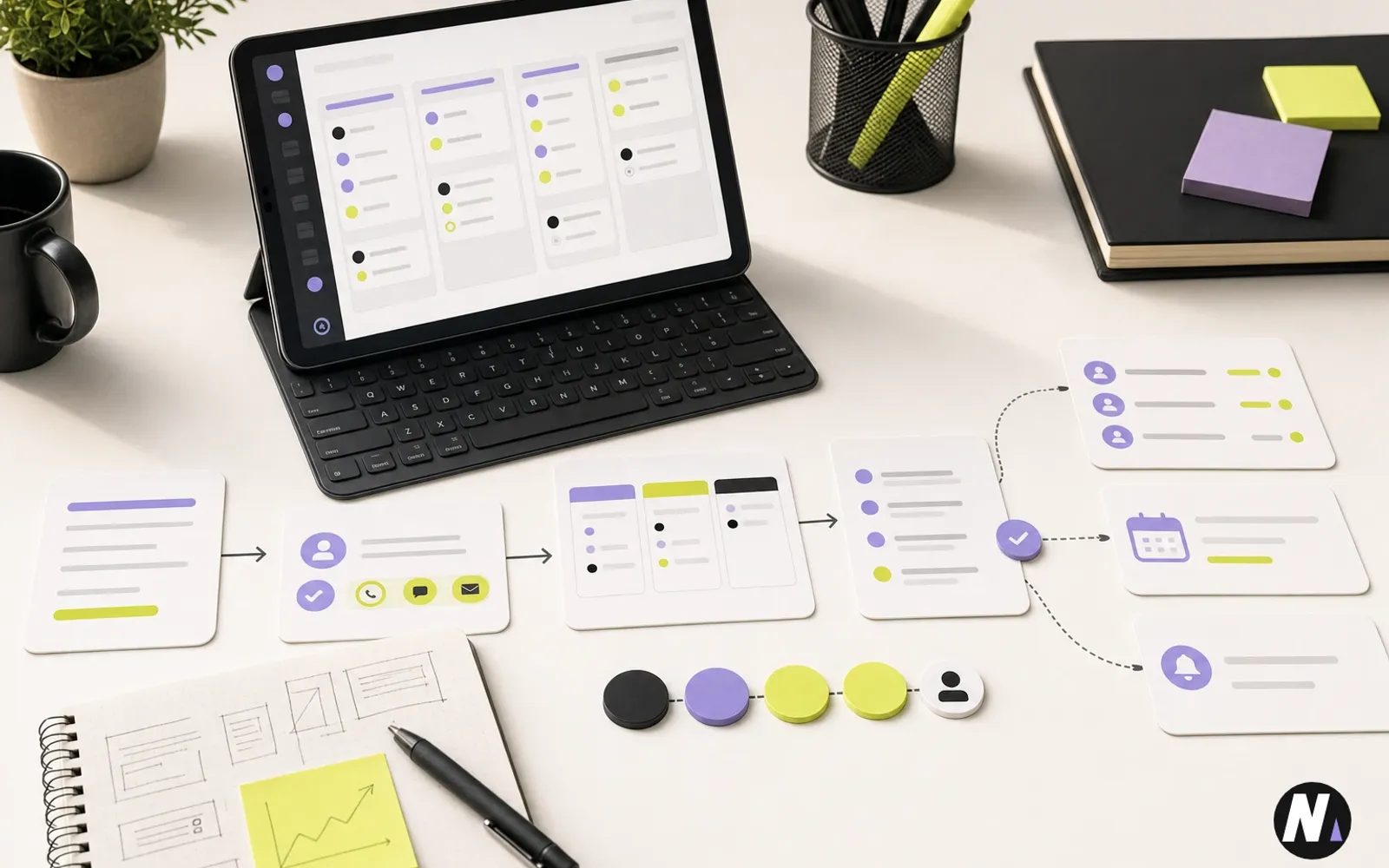
Naman Modi explains how service businesses can use CRM automation for lead capture, source tracking, owner assignment, follow-up tasks, pipeline stages, reporting, and human review.

 Let's discuss your next smarter system.